

In today’s world, the call for sustainability has never been louder. With rising environmental concerns, more homeowners are seeking ways to reduce their ecological footprint. Fortunately, transforming your living space doesn’t have to be complicated. Simple changes can make a world of difference in energy efficiency, water conservation, and waste reduction.
If you’ve been wondering how to get started, this guide offers easy swaps to make your home more eco-friendly without sacrificing comfort or style. These changes are practical, affordable, and incredibly impactful—proof that small steps can lead to big results.
Eco-Friendly Home Swaps: Start with the Basics
Making your home eco-friendly begins with small, thoughtful adjustments. Whether you’re a sustainability enthusiast or just starting, these swaps offer a quick and effective way to green your lifestyle.
Switch to LED Lighting for Energy Efficiency
Traditional incandescent bulbs consume excessive energy and have a shorter lifespan. Replacing them with LED bulbs can reduce energy use by up to 80%. LEDs not only last longer but also emit less heat, making them safer and more economical.
Benefits of LED Lighting:
- Uses 75% less energy than incandescent bulbs.
- Lasts 25 times longer, reducing replacement frequency.
- Available in various styles, colors, and brightness levels.
Opt for Reusable Water Bottles and Filters
Plastic water bottles contribute significantly to landfill waste. Swapping them for reusable bottles paired with water filters eliminates this issue while saving money.
Pro Tip: Invest in a high-quality water filter system, such as a reverse osmosis unit or a pitcher filter, to ensure clean, safe drinking water.
Upgrade to Energy-Efficient Appliances
Old appliances consume excessive electricity. Transitioning to Energy Star-certified products can significantly lower your energy bills and carbon footprint.
Key Appliances to Consider Replacing:
- Refrigerators
- Washing machines
- Dishwashers
- Air conditioners
Look for models with energy-saving features, such as programmable settings and eco-modes.
Incorporate Smart Home Technology
Smart thermostats, lighting systems, and plugs allow you to control energy usage remotely, reducing waste. These systems learn your habits, optimizing energy consumption automatically.
Popular Eco-Friendly Smart Devices:
- Smart Thermostats: Adjust temperature based on schedules.
- Smart Plugs: Turn off devices remotely to prevent standby energy usage.
- Motion-Sensor Lights: Automatically switch off lights in empty rooms.
Replace Single-Use Items with Sustainable Alternatives
Disposable products may be convenient but often end up in landfills. Eco-friendly swaps like cloth napkins, bamboo cutlery, and glass food storage containers are durable and reduce waste.
Examples of Sustainable Swaps:
- Beeswax wraps instead of plastic cling wrap.
- Silicone storage bags over plastic zip-lock bags.
- Compostable trash bags.
Invest in Indoor Plants for Natural Air Purification
Houseplants not only add beauty to your space but also improve indoor air quality by filtering harmful toxins.
Top Air-Purifying Plants:
- Spider Plant: Removes carbon monoxide.
- Snake Plant: Absorbs formaldehyde and benzene.
- Peace Lily: Reduces airborne mold spores.
Plants create a healthier home while promoting relaxation and mental well-being.
Install Low-Flow Water Fixtures
Water conservation is essential for sustainability. Installing low-flow faucets, showerheads, and toilets significantly reduces water usage without compromising performance.
Benefits of Low-Flow Fixtures:
- Save up to 50% more water than standard fixtures.
- Lower water bills.
- Easy to install and affordable.
Use Eco-Friendly Cleaning Products
Many household cleaners contain harsh chemicals harmful to the environment and human health. Switching to eco-friendly options reduces toxic exposure and pollution.
Green Cleaning Alternatives:
- Vinegar and baking soda for all-purpose cleaning.
- Castile soap for dishes and surfaces.
- Essential oils for natural fragrance.
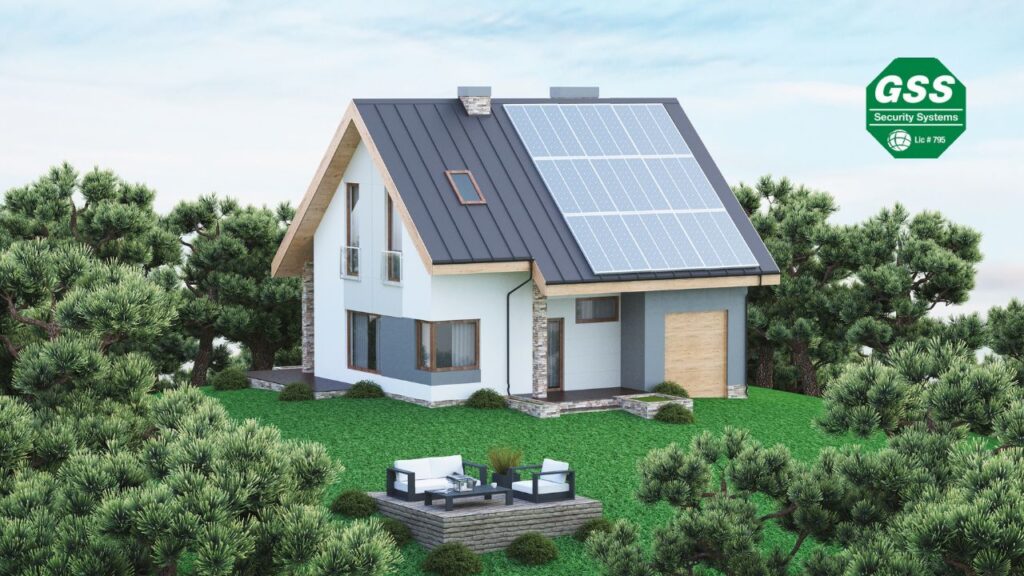
Install Solar Panels for Renewable Energy
Although an investment upfront, solar panels provide long-term savings and energy independence. They reduce reliance on fossil fuels, lowering your carbon footprint.
Key Advantages of Solar Panels:
- Generate clean, renewable energy.
- Offer tax incentives and rebates in many areas.
- Increase property value.
Adopt a Composting System
Composting is a fantastic way to recycle organic waste into nutrient-rich soil. It reduces landfill waste and supports healthier gardens.
Simple Composting Tips:
- Use food scraps like fruit peels, coffee grounds, and eggshells.
- Avoid adding meat, dairy, or oily items.
- Turn the compost pile regularly to speed up decomposition.
Conclusion
Building an eco-friendly home doesn’t require dramatic changes—small swaps can have an enormous impact. By choosing sustainable materials, conserving energy, and reducing waste, you’re not only protecting the planet but also saving money and improving your quality of life.
Whether it’s adding smart technology, upgrading appliances, or incorporating plants, each step you take contributes to a greener future. Start today with these easy swaps to make your home more eco-friendly and inspire others to follow suit.