
For small business owners, your business is not just a source of income—it’s a significant investment of time, money, and resources. Ensuring that this investment is secure should be a top priority. Unfortunately, small businesses are often more vulnerable to security threats than larger corporations, with limited resources making it harder to recover from theft, break-ins, cyberattacks, or natural disasters. Implementing the right security measures is essential to protect both your physical and digital assets. This article explores the key security measures every small business should adopt to safeguard their investment and ensure long-term success.
Why Security is Essential for Small Businesses
Small businesses face numerous threats that can jeopardize their operations and financial stability. From physical break-ins to digital breaches, these risks can lead to significant losses, downtime, and damaged reputations. Unlike larger corporations, small businesses often lack the financial safety nets to absorb such losses, making security all the more critical.
Financial and Operational Risks Without Security
Without adequate security, small businesses can face:
- Theft: Stolen inventory, equipment, or cash can result in immediate financial loss and operational delays.
- Data Breaches: Cyberattacks can expose customer data, leading to costly legal liabilities and loss of trust.
- Vandalism and Property Damage: Unsecured premises can attract vandals, leading to expensive repairs and business interruptions.
Common Vulnerabilities Small Businesses Face
Small businesses are often targets for criminals due to perceived lack of robust security measures. Common vulnerabilities include:
- Unsecured entry points like doors and windows.
- Limited surveillance systems, leaving areas unmonitored.
- Weak cybersecurity defenses, such as poor password management or outdated software.
Physical Security Measures for Small Businesses
One of the most effective ways to protect your business is by securing your physical premises. Implementing physical security measures can deter criminals, prevent unauthorized access, and protect valuable assets.
Securing Entry Points: Doors, Windows, and Access Controls
Doors and windows are common entry points for burglars. Ensuring these are reinforced with high-quality locks, security bars, or shatterproof glass can help prevent break-ins. Additionally, access control systems—which use keycards, PINs, or biometric data—restrict access to authorized personnel only, reducing the likelihood of theft or vandalism.
Surveillance Systems: Cameras and Monitoring
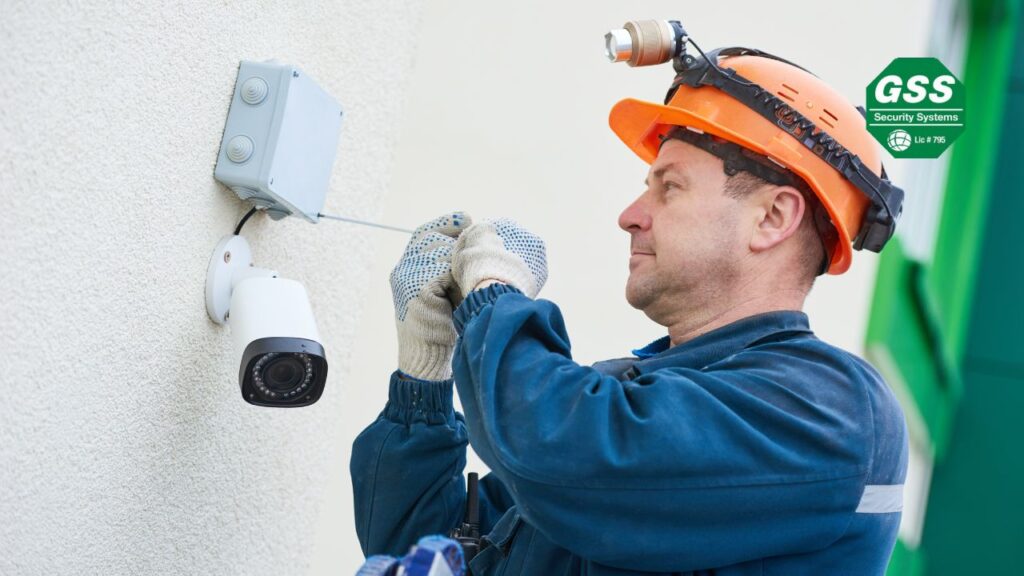
Surveillance cameras provide real-time monitoring of your business premises, allowing you to keep an eye on activity both during and after business hours. Visible cameras act as a strong deterrent, while footage can be used as evidence in case of a crime. Consider investing in high-resolution, night-vision cameras for 24/7 monitoring.
Alarm Systems and Motion Sensors
Installing an alarm system that is triggered by unauthorized entry can help prevent break-ins. Alarms connected to motion sensors ensure that any movement in restricted areas is immediately detected and reported, either to a monitoring service or directly to local law enforcement.
Cybersecurity: Safeguarding Digital Assets
In today’s digital age, protecting your business goes beyond securing physical assets. Cybersecurity is crucial for protecting sensitive data, customer information, and your company’s reputation.
Importance of Protecting Business Data and Customer Information
Data breaches can be devastating for small businesses, leading to financial loss, reputational damage, and legal consequences. Protecting business data—whether it’s financial information, intellectual property, or customer records—should be a top priority.
Firewalls, Encryption, and Secure Networks
Implementing strong firewalls and using encryption for sensitive data transmission can help keep hackers at bay. Additionally, setting up a secure network with VPNs (Virtual Private Networks) ensures that remote employees and devices can access company data without exposing it to cyber threats.
Password Policies and Two-Factor Authentication
Weak passwords are a major vulnerability. Implementing strict password policies—such as requiring complex passwords and regular updates—can prevent unauthorized access. Additionally, two-factor authentication (2FA) adds an extra layer of security by requiring users to verify their identity through a second method, such as a text message code or mobile app.
Access Control Systems: Regulating Who Enters Your Business
Access control systems regulate who can enter your business and specific areas within it, ensuring that only authorized individuals have access to sensitive areas or valuable assets.
Keycards, PINs, and Biometric Access Systems
These systems use keycards, PIN codes, or biometric identifiers (like fingerprints or facial recognition) to manage access. This not only prevents unauthorized personnel from entering restricted areas but also tracks who enters and exits, providing valuable insights in the event of theft or suspicious activity.
Preventing Unauthorized Entry and Theft
By regulating access to high-risk areas—such as stockrooms, server rooms, or cash handling areas—access control systems reduce the risk of internal theft and prevent outsiders from wandering into secure zones.
How to Protect Against Internal Threats
Internal threats, such as employee theft or misconduct, are a major concern for small businesses. Security systems can help monitor employee behavior, detect unusual activity, and ensure that only authorized personnel have access to valuable resources.
Monitoring Employees: Theft, Fraud, and Misconduct
Surveillance cameras and access logs can help monitor employee movements within the business. This allows you to detect internal theft, fraud, or other misconduct before it becomes a larger issue. For example, security footage can help resolve disputes or identify the source of missing inventory.
Employee Access Levels and Role-Based Permissions
Implementing role-based permissions ensures that employees only have access to the areas and information necessary for their role. For instance, a cashier may not need access to the stockroom or financial records, minimizing the risk of theft or data breaches.
Fire and Environmental Safety Systems
In addition to securing your business against theft and cyberattacks, it’s essential to have systems in place that protect against fires and environmental hazards.
Smoke Detectors, Fire Alarms, and Suppression Systems
Ensure your business is equipped with smoke detectors and fire alarms that comply with local safety regulations. Installing fire suppression systems, such as sprinklers or fire extinguishers, can prevent fires from spreading, protecting both employees and valuable assets.
Protecting Valuable Assets and Inventory from Natural Hazards
Floods, storms, and other natural disasters can cause significant damage to a business. Consider investing in flood barriers, temperature sensors, and emergency backup power systems to minimize the risk of damage to your building, inventory, and equipment.
Training Employees on Security Protocols
Even the best security systems can be ineffective if employees don’t know how to use them properly. Ensuring that your staff is well-trained on security protocols and emergency response measures is essential.
Ensuring Staff are Aware of Security Measures
Hold regular training sessions to ensure that employees are familiar with your security systems, including access controls, alarm systems, and emergency procedures. Make sure they understand their role in maintaining workplace security.
Drills and Emergency Response Training
Conducting regular security drills helps employees know how to react in an emergency, such as a fire or break-in. This reduces confusion and ensures that everyone knows the proper evacuation routes, how to use panic buttons, and how to contact emergency services if necessary.
Remote Monitoring and Cloud-Based Solutions
Modern security systems often include remote monitoring and cloud-based services, allowing business owners to manage security from anywhere.
Managing Security from Anywhere
Cloud-based security systems enable you to monitor your business in real-time, even when you’re off-site. With the ability to access camera feeds, alarm systems, and access controls remotely, you can stay on top of any incidents that occur, ensuring a quick response.
Integrating Cloud Solutions with Physical Security
Cloud-based systems integrate with physical security measures, such as surveillance cameras and access control systems, offering a comprehensive security solution. This enables you to store video footage in the cloud, receive real-time alerts on your phone, and control access remotely.
Cost vs. Value: Why Investing in Security is Worth It
While installing security systems may seem like a significant upfront investment, the long-term savings and protection they provide are well worth the cost.
Long-Term Savings from Preventing Theft and Damage
By preventing theft, vandalism, and data breaches, security systems save businesses thousands of dollars in potential losses. Moreover, investing in systems like fire alarms and environmental controls helps minimize damage from natural disasters, reducing downtime and repair costs.
Reducing Insurance Premiums with Strong Security Measures
Many insurance providers offer discounts to businesses that implement comprehensive security systems, such as surveillance cameras, access control, and fire alarms. This can lead to lower insurance premiums and significant savings over time.
How to Choose the Right Security System for Your Business
Choosing the right security system depends on your business’s size, industry, and specific risks.
Tailoring Security Solutions to Your Industry
Each industry has unique security needs. For example, retail stores may prioritize inventory protection and customer theft prevention, while tech companies might focus on securing sensitive data and intellectual property. Tailoring your security system to your industry ensures that you’re protecting your most vulnerable assets.
Key Features to Look For: Scalability, Integration
Look for security systems that are scalable and can grow with your business. Ensure that the system integrates seamlessly with your existing infrastructure and offers real-time alerts, remote monitoring, and cloud storage capabilities.
Common Mistakes Small Businesses Make in Security
Many small businesses make simple mistakes that leave them vulnerable to security threats. Avoid these pitfalls to protect your business effectively.
Ignoring Cybersecurity Risks
Some businesses focus solely on physical security, overlooking the importance of cybersecurity. Without proper digital defenses, your business is at risk of data breaches, phishing attacks, and ransomware.
Overlooking Secondary Entry Points
Unsecured back doors, windows, or delivery entrances are often targeted by burglars. Ensure that these secondary entry points are just as secure as your front doors to prevent unauthorized access.
Real-Life Examples of Security Saving Small Businesses
Many businesses have avoided significant losses thanks to their investment in security systems.
Case Studies of Theft Prevention and Disaster Recovery
In one case, a small retail store installed surveillance cameras and an alarm system after experiencing multiple break-ins. The system helped deter further incidents and led to the arrest of a would-be burglar. In another instance, a tech startup avoided catastrophic data loss during a cyberattack by having cloud backups and robust firewalls in place.
How Quick Responses Saved Businesses from Ruin
In a recent fire at a small manufacturing plant, the business’s fire alarms and suppression systems saved thousands in equipment and inventory. Early detection allowed firefighters to respond quickly, preventing the total loss of the facility.
FAQs
How much should a small business invest in security systems?
The cost of security systems depends on your business’s size and needs. Basic systems may start at a few hundred dollars, while more comprehensive solutions with cloud integration and monitoring services can be more expensive. However, the long-term savings from preventing theft and damage make it a worthwhile investment.
What types of security measures are most important for small businesses?
Key security measures include surveillance cameras, access control systems, fire and environmental safety systems, and cybersecurity tools. Each business should assess its unique risks and implement the appropriate combination of physical and digital security solutions.
Can security systems help reduce insurance costs?
Yes, many insurance companies offer discounts to businesses with comprehensive security systems in place, which can lower your premiums.
How can small businesses prevent cyberattacks?
Small businesses can prevent cyberattacks by using firewalls, encrypted networks, strong password policies, and two-factor authentication. Regularly updating software and conducting employee training on phishing scams and cybersecurity best practices is also crucial.
Is remote monitoring worth the investment for small businesses?
Yes, remote monitoring allows business owners to manage security from anywhere, ensuring that they can respond quickly to incidents even when they’re off-site. This can prevent theft, vandalism, and other costly issues.
Conclusion
Protecting your small business is about more than just locking doors at the end of the day. By investing in essential security measures like surveillance cameras, access control systems, and cybersecurity solutions, you can safeguard your business from physical and digital threats. Not only does this protect your investment, but it also helps ensure the long-term success and continuity of your business. With the right combination of physical and digital security, you can focus on growth, knowing that your business is protected against potential risks.