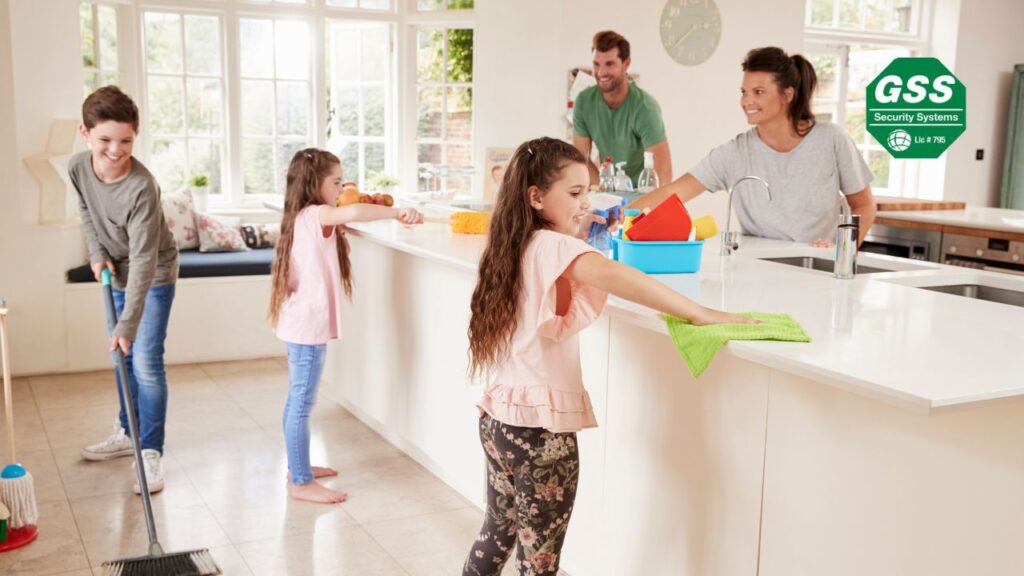
Getting kids to help with household chores often feels like a tug-of-war between responsibilities and resistance. Yet, involving children in cleaning and organizing tasks is a valuable way to teach life skills, responsibility, and teamwork.
The key? Making chores fun, engaging, and age-appropriate. Instead of nagging or bribing, creative strategies can turn mundane tasks into exciting activities that kids look forward to. This article explores imaginative ways to involve kids in household chores, ensuring they learn essential skills while having a great time.
Kids and Household Chores: Why It Matters
Assigning chores to children teaches more than just cleaning habits. It fosters discipline, accountability, and self-sufficiency—traits that benefit them throughout life.
Key Benefits of Chores for Kids:
- Builds a sense of responsibility and independence.
- Enhances problem-solving and time-management skills.
- Instills teamwork and cooperation.
- Provides a sense of accomplishment and boosts self-esteem.
Make Chores a Game
Turning chores into games is one of the easiest ways to spark kids’ interest. Incorporate challenges, competitions, and rewards to keep the excitement alive.
Fun Ideas to Gamify Chores:
- Race Against the Clock: Set a timer and challenge kids to finish tasks before it buzzes.
- Treasure Hunt Cleaning: Hide small toys or treats around the room for kids to find while tidying up.
- Point System: Assign points for each completed chore, redeemable for small rewards or privileges.
Create a Chore Chart with Visual Rewards
Visual aids, such as colorful chore charts or sticker boards, make tracking progress more interactive. Kids feel motivated as they visually see their achievements build up.
How to Design a Chore Chart:
- Use bright colors and fun designs to capture attention.
- Include stickers, stars, or smiley faces for rewards.
- Break tasks into manageable steps to make them less overwhelming.
Sing and Dance Through Cleaning
Music transforms dull chores into energetic activities. Create a playlist of your child’s favorite songs and turn cleaning into a dance party.
Tips for Musical Cleaning Fun:
- Let kids pick the playlist to build excitement.
- Incorporate dance moves while sweeping or mopping.
- Pause the music for quick breaks, adding an element of surprise.
Make Chores a Family Affair
Kids feel more motivated when they see everyone working together. Assign group tasks, where each family member contributes to a shared goal.
Examples of Family Chores:
- Cooking dinner together and dividing responsibilities—chopping, stirring, or setting the table.
- Yard work, such as raking leaves or planting flowers as a group.
- Folding laundry while chatting or watching a show.
Offer Choices for Chores
Kids are more likely to cooperate when they feel they have control. Provide options and let them choose the tasks they prefer.
Chore Choices for Different Ages:
- Toddlers: Putting toys away or wiping spills.
- Preschoolers: Dusting low surfaces or feeding pets.
- Older Kids: Vacuuming, loading the dishwasher, or folding laundry.
Turn Cleaning into a Learning Activity
Household chores can double as educational opportunities. Use math, science, and language activities while completing tasks.
Learning Through Chores:
- Count items while organizing shelves.
- Identify colors when sorting laundry.
- Practice spelling by labeling storage bins.
Use Pretend Play to Make Chores Fun
Imaginative play encourages kids to get involved without realizing they’re working.
Creative Role-Playing Ideas:
- Chef in the Kitchen: Pretend to run a restaurant while cooking or cleaning dishes.
- Superhero Clean-Up Crew: Assign superhero roles to save the day by tackling messes.
- Toy Doctor: Fix and organize broken or misplaced toys.
Introduce Rewards and Incentives
Positive reinforcement keeps children motivated. Use small incentives to celebrate accomplishments without making them feel like chores are chores.
Reward Ideas:
- Extra playtime or screen time.
- Choosing a movie for family night.
- Special treats like stickers, coloring books, or DIY crafts.
Teach Responsibility Through Daily Routines
Incorporating chores into a daily schedule helps kids understand that responsibilities are a natural part of life.
Examples of Routine Tasks:
- Making the bed every morning.
- Packing school bags and lunchboxes.
- Watering plants or feeding pets before bedtime.
Conclusion
Teaching kids to contribute to household chores doesn’t have to be a battle. With creativity, patience, and a bit of fun, you can transform these tasks into enjoyable learning experiences.
Whether through games, role-play, or rewards, involving kids in chores not only lightens your load but also equips them with essential life skills. Start implementing these creative ways to involve kids in household chores today and watch as responsibility turns into routine—and fun becomes the new norm.